

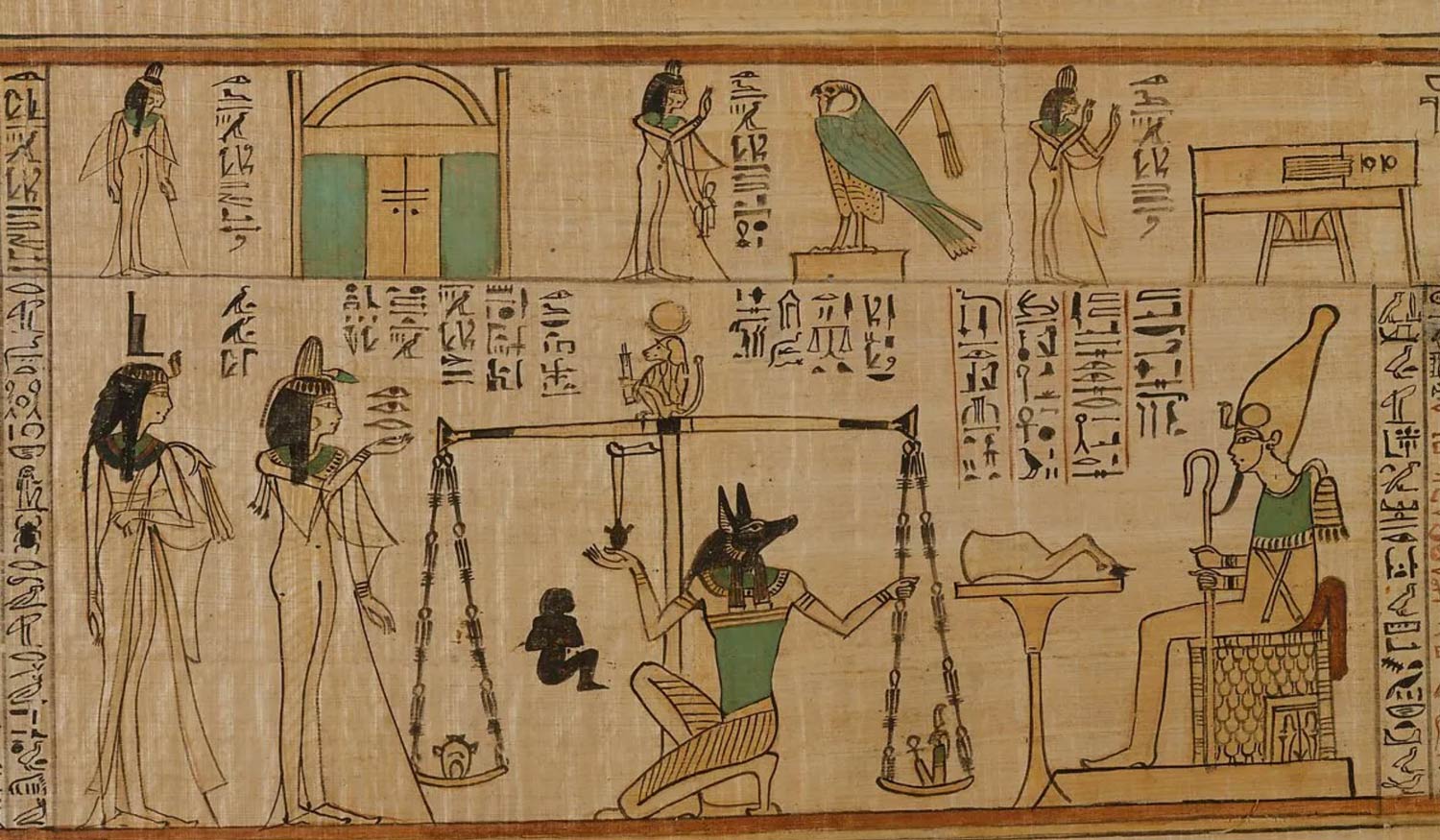

Header Image: The Singer of Amun Nauny’s Funerary Papyrus, The Metropolitan Museum of Art. The method of making papyrus scrolls was developed in Egypt around 3000 BCE and was later adopted by the Greeks and Romans. It was crafted from the pith of the papyrus plant, a reed abundant along the Nile River and throughout the Nile Delta.
Clarity, Purpose, & Impact
Every design tells a story. The question is—does your audience understand it? Graphic design communication focuses on clarity, purpose, and impact.
Clear Communication
Design communicates faster than words. A single image can convey emotion, meaning, and intent instantly. That’s why businesses invest heavily in strong visuals. However, effective communication requires strategy. Designers must organize information clearly. They guide viewers through content using hierarchy, spacing, and contrast. At the same time, simplicity plays a key role. Overloading a design weakens the message. Instead, clear and focused visuals improve understanding.
Moreover, consistency strengthens communication. When brands maintain consistent design elements, audiences recognize them بسهولة and build trust.
Key Lessons
Clarity beats complexity every time. Strong hierarchy improves readability and engagement. Consistency builds brand recognition and trust. My favorite book on clear, terse communication is called Smart Brevity by
Examples
Think about logos. The best ones communicate identity instantly. Or consider infographics. They simplify complex ideas into easy-to-understand visuals.
Conclusion
Graphic design transforms ideas into experiences. When done right, it communicates clearly and leaves a lasting impression.
What Now?
Is your design communicating clearly?
