
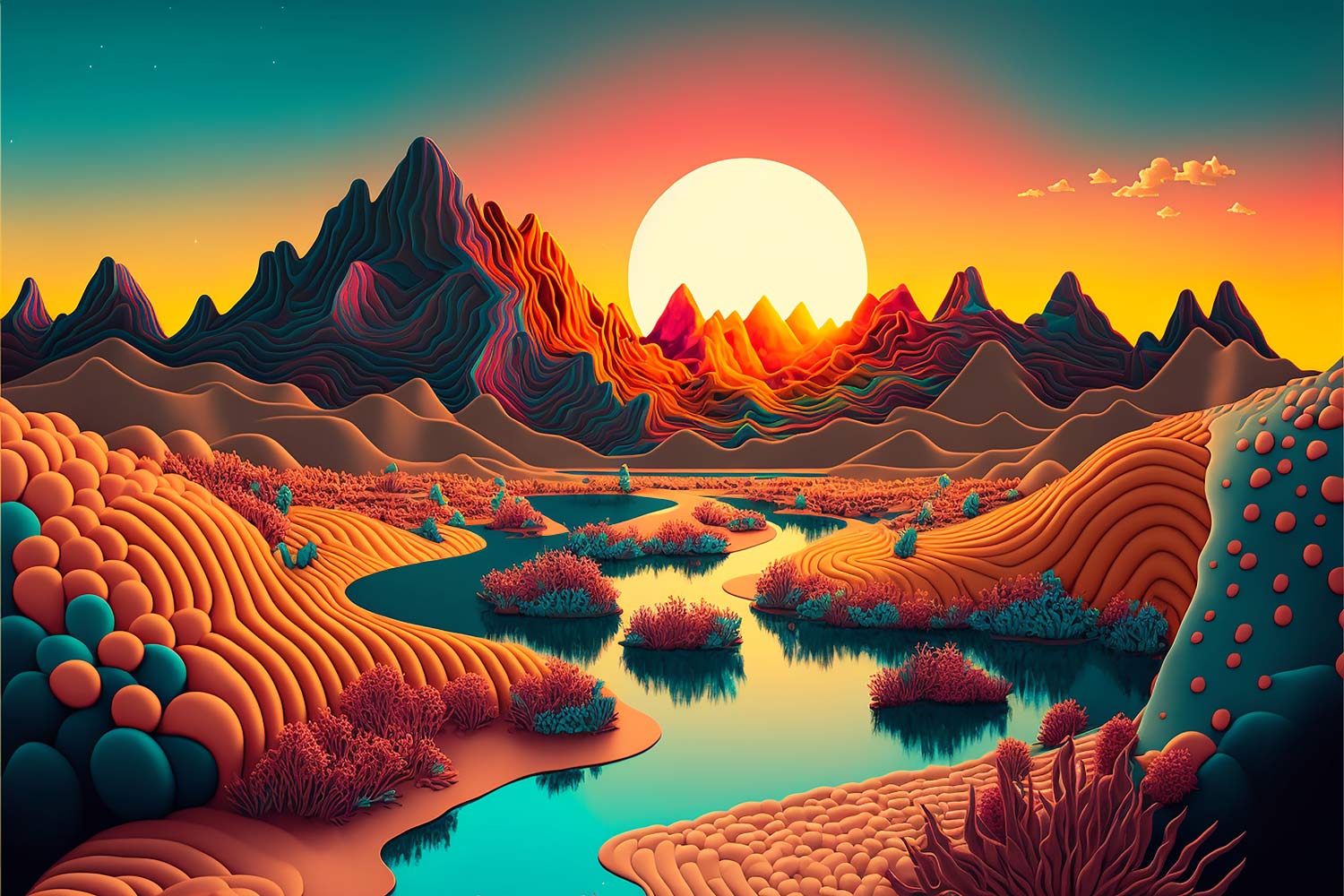

The above image was generated by Adobe AI.
They Were Wrong Then, They Are Wrong Now
When digital photography started taking over, a lot of people didn’t see it as progress, they saw it as the beginning of the end. Film purists and longtime photographers felt like something meaningful was being lost. The darkroom, with all its hands-on process and careful decision-making, was suddenly replaced by instant previews and unlimited shots. To them, it felt like photography was becoming too easy, almost careless—what some called “spray-and-pray.” Influential photographers like Don McCullin argued that digital tools made it simple to clean up or manipulate images, which in his view stripped away the raw truth that photojournalism depended on. Others, especially in fashion and fine art, believed that the ability to perfect every detail actually took the life out of images, smoothing away the little flaws that make a photo feel real and human.
But this kind of reaction wasn’t new, it was part of a pattern that’s repeated throughout art history. Painters once thought photography would replace them, and later, photographers worried digital cameras would erase the craft they valued. Every shift in technology seems to bring the same fear: that something authentic is being lost. But does anyone seriously think that digital photography can’t have a soul, that it lacks artistic talent or thoughtfulness, or that it can’t live on museum walls to the same effect as a painting?
AI Opponents Dig Their Heals In
Now, we’re hearing very similar concerns about artificial intelligence. Many artists feel like AI could take away originality, replace skill, or flood the world with work that lacks a human touch. And just like people once believed digital photography would ruin the medium entirely, there’s a growing sense that AI might be doing the same thing to art—raising the question of whether history is repeating itself, or if we’re simply reacting the same way we always do when creativity meets new technology.
The Million Billion Dollar Question
Is AI just another creative tool, like Adobe Photoshop or Illustrator for designers, or Pro Tools for musicians? Or is it something entirely different? And can art created through AI actually meet the same standards and expectations as traditional art?
Read There Is Space For Ethical Ai In The Art World, Maybe (Part 2)
