

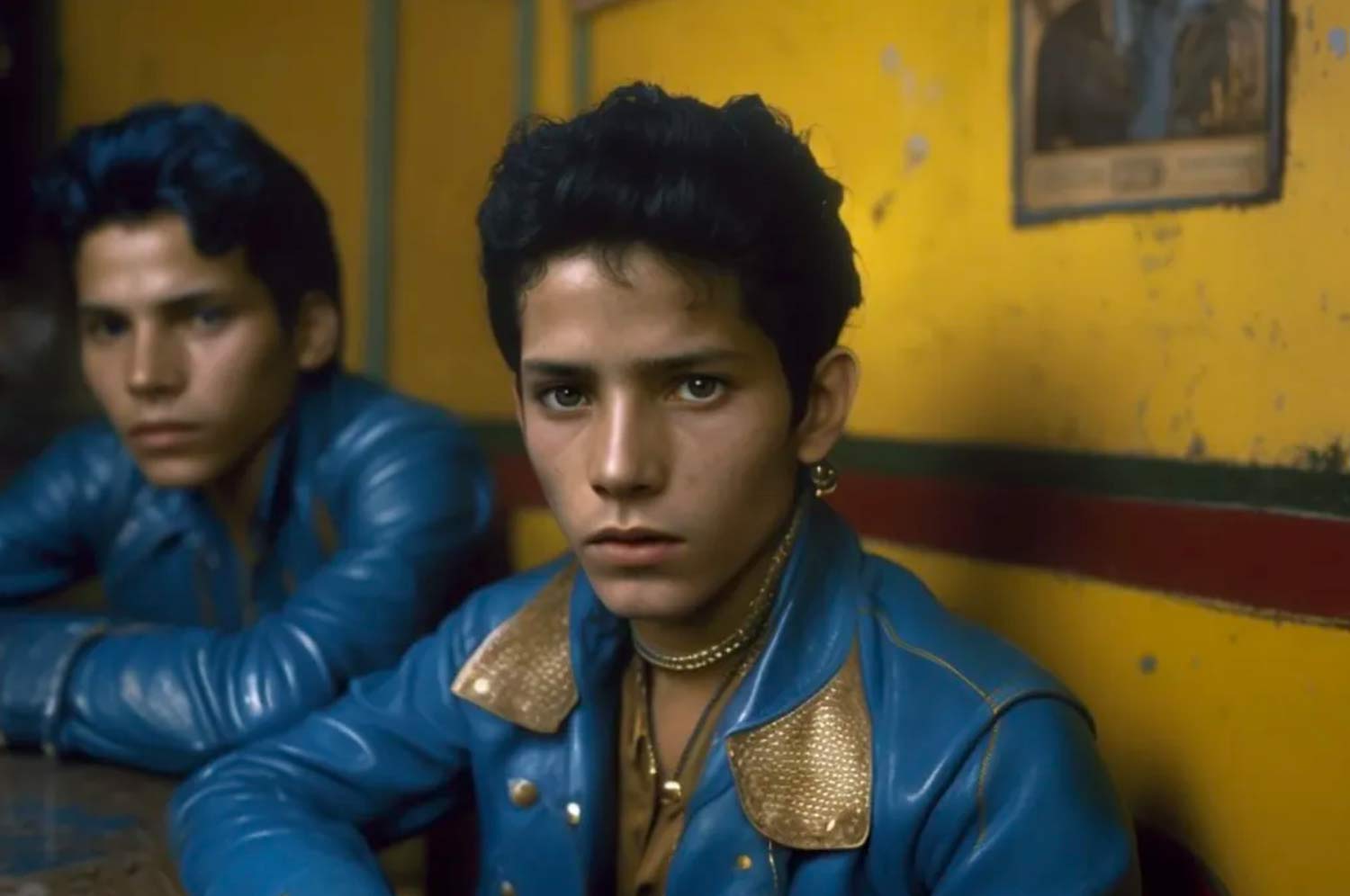
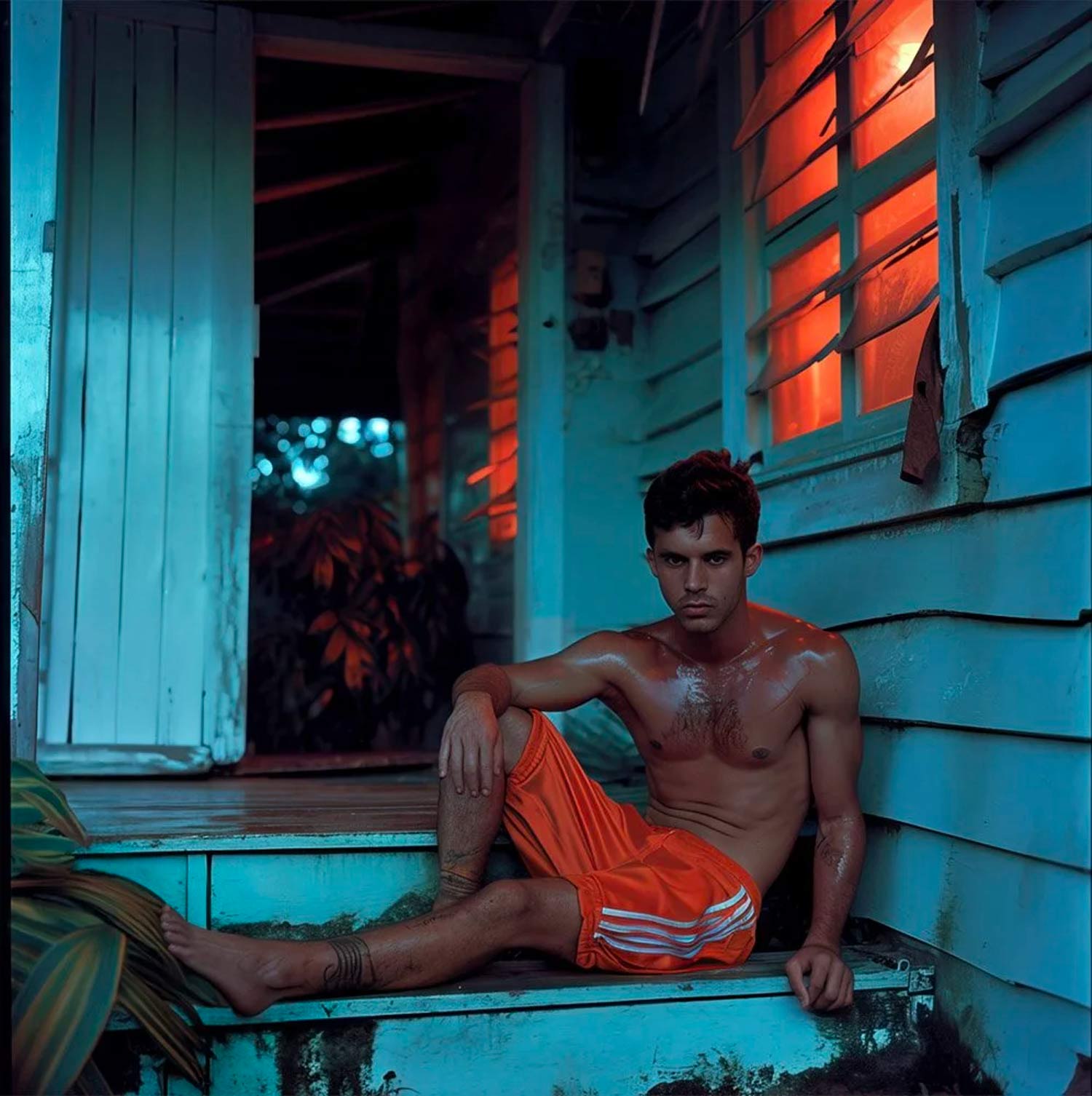
The above image is Cristian en el Amor de Calle an AI generated art piece by Matías Sauter Morera.
The Million Billion Dollar Question
Is AI just another creative tool, like Adobe Photoshop or Illustrator for designers, or Pro Tools for musicians? Or is it something entirely different? And can art created through AI actually meet the same standards and expectations as traditional art?
Yes, yes, and yes. AI is absolutely another tool we can use, it helps spark ideas with outlines, build mood boards, compare design styles, and push past the dreaded “blank page” moment that creatives always struggle with. But it doesn’t stop there. With platforms like Midjourney and Stable Diffusion, it can also be used to create fully developed pieces from the ground up.
AI-slop Is Still Just Slop
And honestly, that second part is where a lot of the resistance comes from. I get it. As a designer, I’ve seen plenty of AI-slop out in the wild with ads, posts, “art”—and most of it makes me cringe. But AI-slop is still just that, slop. Creative laziness should be called out. Theft should be called out. That hasn’t changed. Artists have always been expected to explain their process, to show where their skill, not just a tool, played a role in the final outcome. That’s still true. I think a lot of the pushback comes from a misunderstanding: the idea that AI art is just typing a quick prompt and stealing from real artists. And if that were the norm, I’d be right there pushing back against it too.
A Case Study For AI Art Space
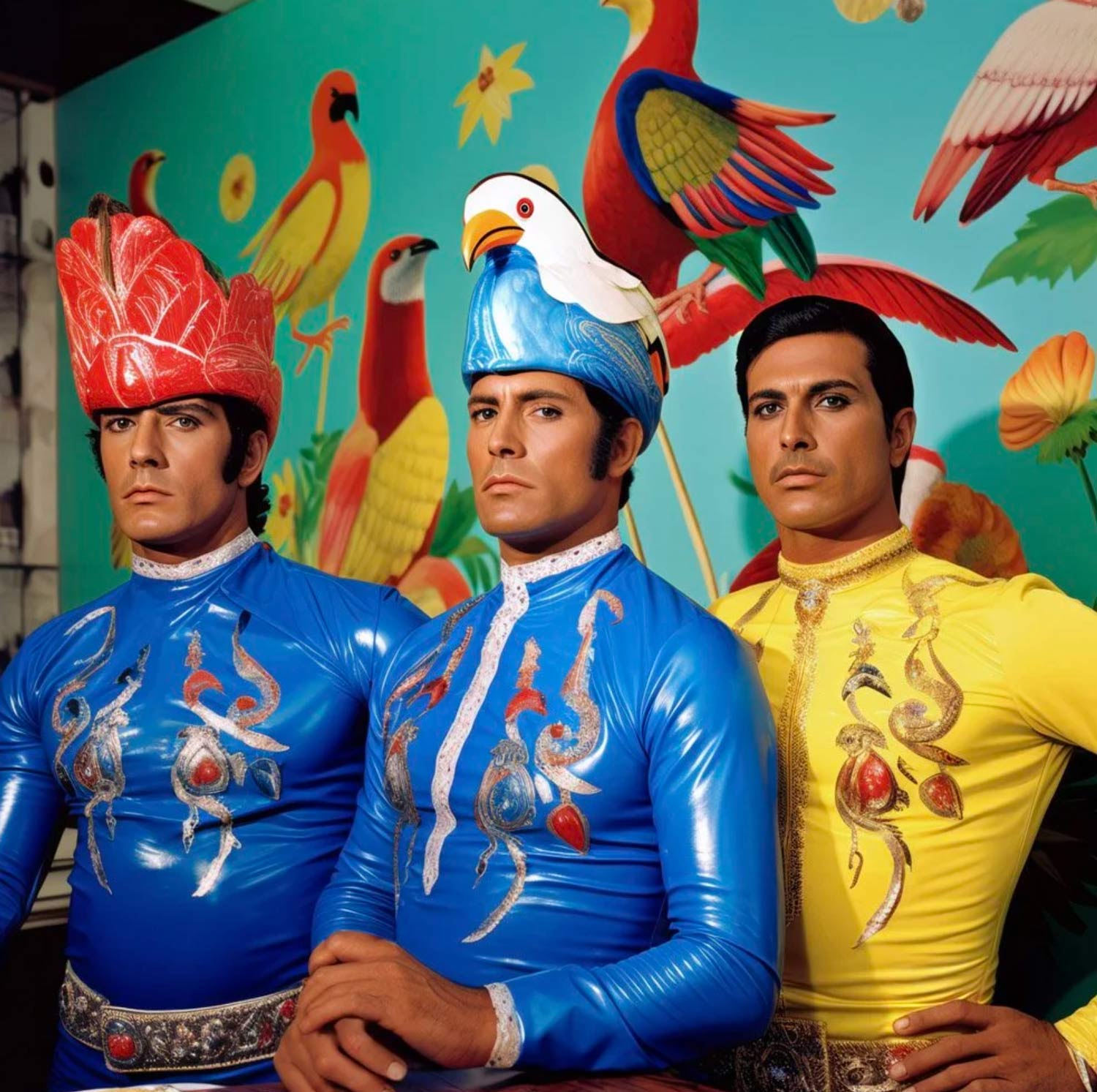
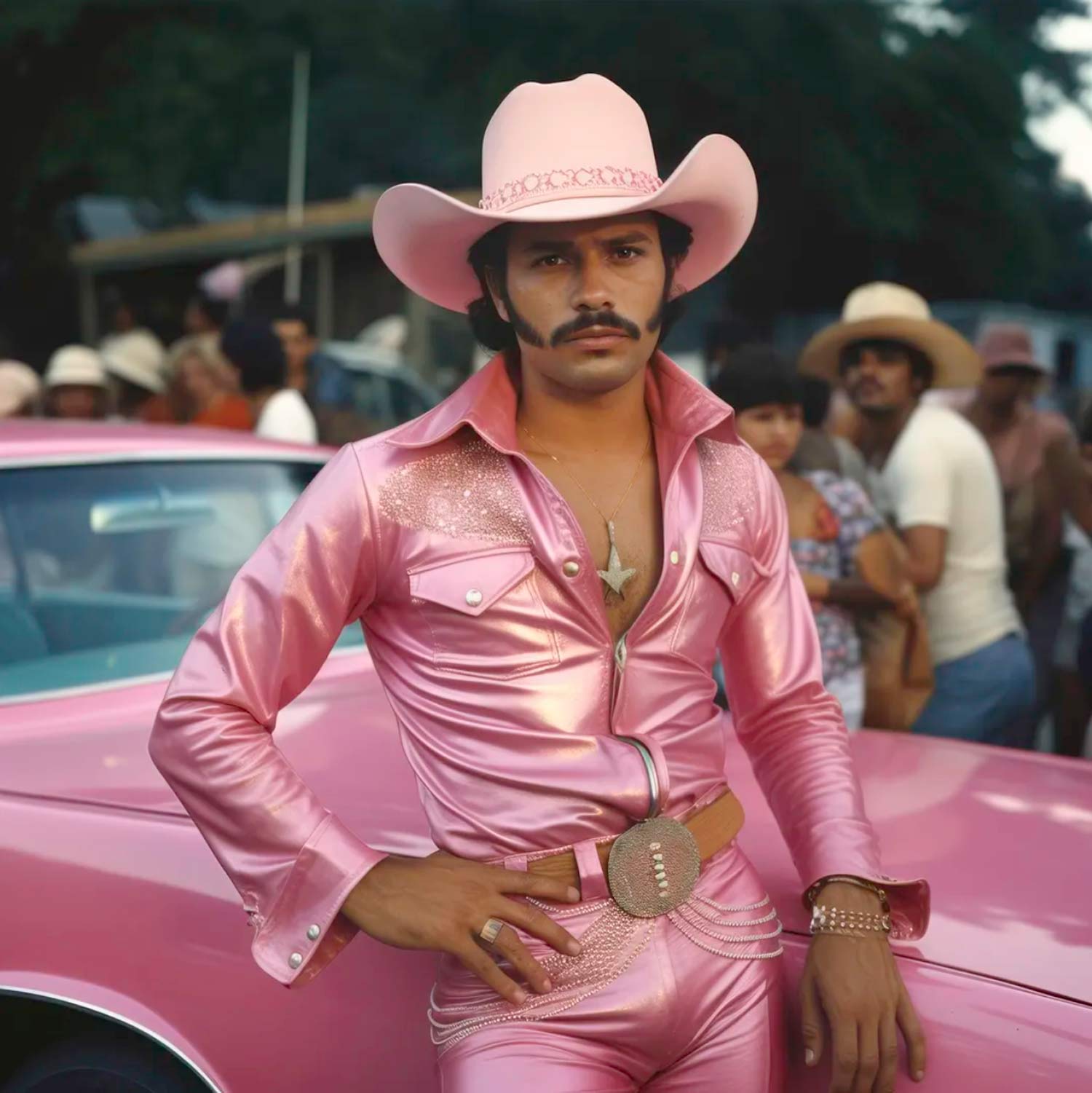
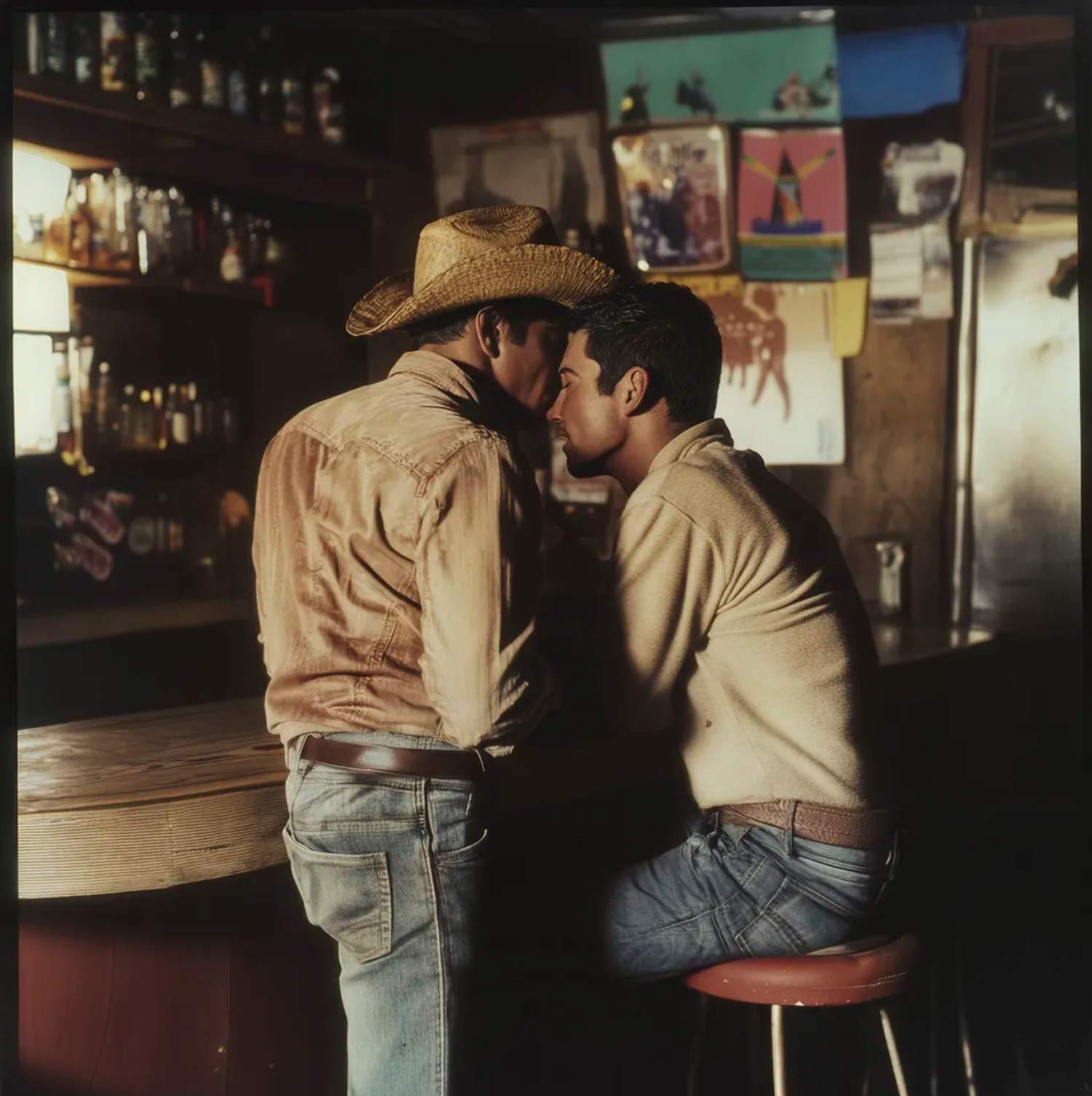
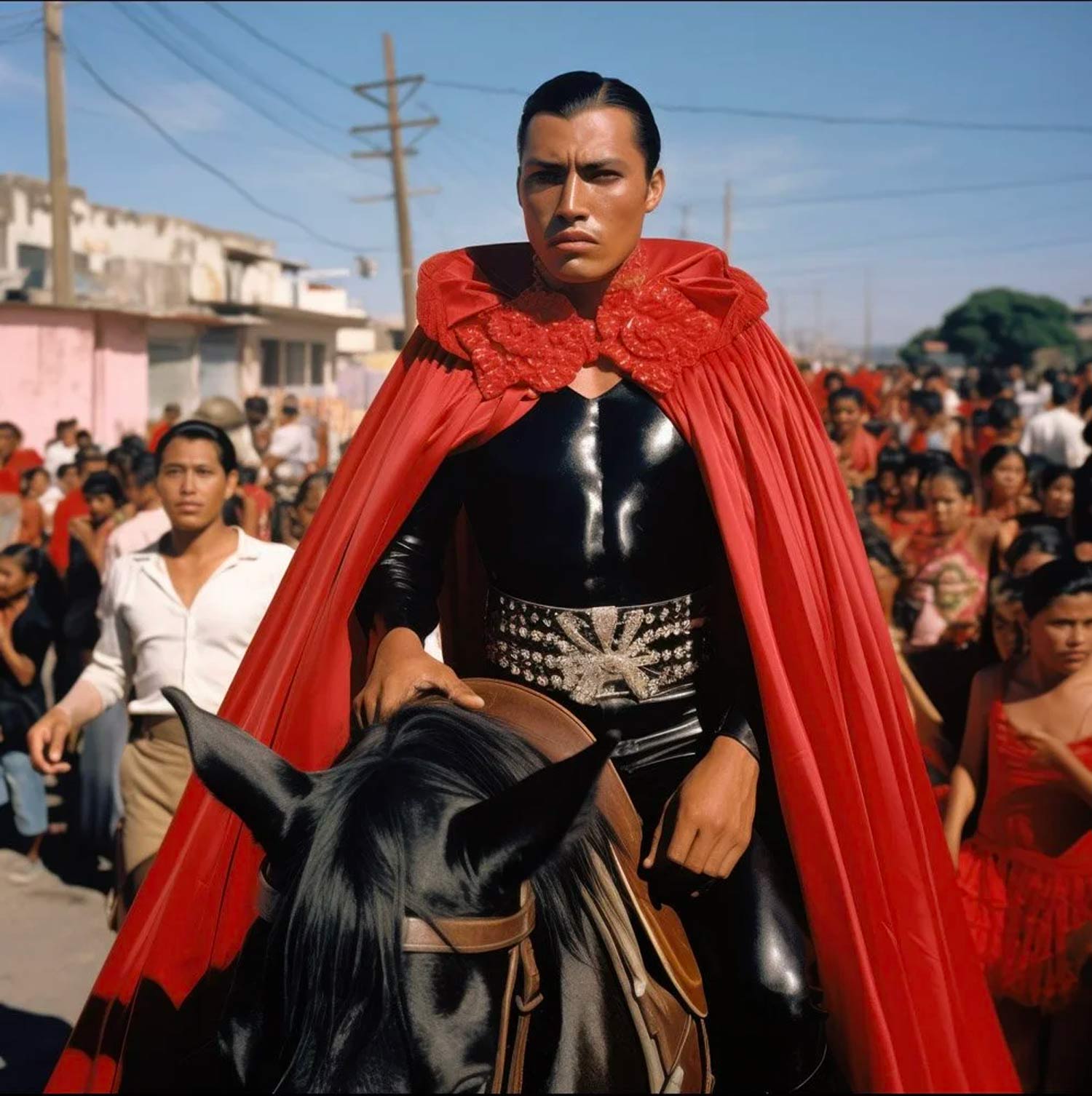
But that’s not the full picture. There are artists using AI thoughtfully, ethically, and with real intention, and the results can be powerful. Take Matias Sauter Morera, for example, a Costa Rican photographer and artist whose AI-generated piece Cristian en el Amor de Calle was acquired by the Getty Museum. The work is part of a series that reimagines a hidden culture from the 1970s, and he originally considered photographing it traditionally. But because of the sensitive nature of the subject, Morera chose AI to protect identities. This wasn’t a shortcut, it involved months of iteration, hundreds of decisions, and a deep creative process. That’s not laziness. That’s artistry, just expressed through a different medium.
A Closer Look
Let’s take a closer look at that series. Is it original art? Yes—it’s not pulling from another artist’s work or copying existing intellectual property. Morera is the one shaping the subjects, building the scenes, defining the context, and ultimately deciding the artistic direction of each piece.
Are there ethical reasons for choosing AI as the medium? Absolutely. Using traditional photography could have exposed real people to scrutiny or harassment within their own community, and that’s something he wanted to avoid. AI gave him a way to tell the story without putting anyone at risk.
And does it take real skill to produce work like this? It does. This isn’t just typing a prompt and calling it done—it’s a process. It’s his prompts, his revisions, and his creative eye guiding every decision. The work is refined, reworked, and shaped over months. That level of intention and effort isn’t accidental—it’s part of the artistry.
Matias’ Work – Here
Matias’ IG – Here
Patient and Open Minded
Look, I’ll be honest, it surprised me too how quickly AI has made real strides in art and design. It caught a lot of us off guard. But like any tool, what really matters is how it’s used and why. There has to be room for new techniques, new mediums, new styles, and yes, new technology.
I’m genuinely curious about where this is all heading, not just for art, but for life as a whole. And I think the best way to approach AI, and the future in general, is with a little patience and an open mind. If creatives can’t do that, then honestly, that’s when I start to worry.
